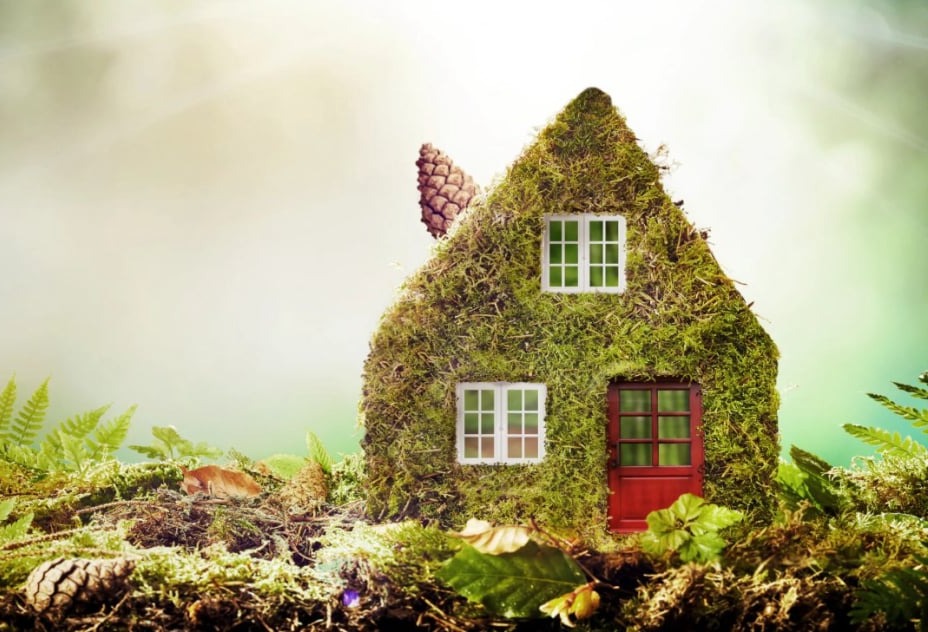
The Green Home: Simple Eco-Friendly Upgrades for a Healthier Living Environment
Creating an eco-friendly home is a journey that benefits not only the planet but also your personal health and finances. It’s about making conscious choices to reduce your environmental footprint while enhancing the comfort and well-being of your living space. The good news is that you don't need to undertake a full-scale renovation to make a significant impact. This guide focuses on accessible, practical upgrades that anyone can implement, turning your home into a healthier, more efficient, and sustainable sanctuary one step at a time.
One of the most effective starting points is to address your home's energy consumption. A significant amount of energy is wasted through poor insulation and air leaks. Begin by sealing gaps around windows, doors, and electrical outlets with weatherstripping or caulk. Next, consider adding insulation to your attic, as this is a primary area for heat loss in winter and heat gain in summer. These two simple steps can dramatically reduce the workload on your heating and cooling systems, leading to lower utility bills and a more consistently comfortable indoor temperature.
Upgrading your lighting and appliances offers another straightforward path to efficiency. Replace incandescent light bulbs with LEDs, which use a fraction of the energy and last for years. When your old appliances eventually need replacing, choose models with high energy-efficiency ratings. These modern appliances are engineered to perform the same tasks while consuming significantly less electricity and water. This not only cuts down on your monthly bills but also reduces the overall demand on power plants, contributing to a cleaner environment.
The quality of your indoor environment is paramount to your health, and it's directly influenced by your choices within the home. Many conventional cleaning products, paints, and finishes release volatile organic compounds (VOCs) into the air, which can affect indoor air quality. Opt for natural, non-toxic alternatives, low-VOC paints, and solid wood furniture instead of pressed wood products that often contain formaldehyde. Introducing houseplants like snake plants or peace lilies can also help naturally filter the air, adding a touch of life and beauty to your rooms.
Water conservation is a crucial pillar of green living. Installing low-flow showerheads, faucet aerators, and dual-flush toilet mechanisms can reduce your water usage by hundreds of gallons per month without sacrificing performance. For the outdoors, consider setting up a rain barrel to collect rainwater for your garden. These changes are simple to implement and lead to immediate savings on your water bill, while also preserving a vital natural resource, especially important in regions prone to drought.
Embracing a greener home is a continuous process of learning and improvement. Start with one or two projects that feel manageable, like switching to LED bulbs and sealing drafts. As you experience the benefits, you'll likely feel motivated to take on more. This journey fosters a deeper connection to your living space and a greater awareness of your personal impact on the world. By creating a home that is energy-wise, non-toxic, and resource-conscious, you are investing in your own well-being and contributing to a healthier planet for everyone.